Mar,2026
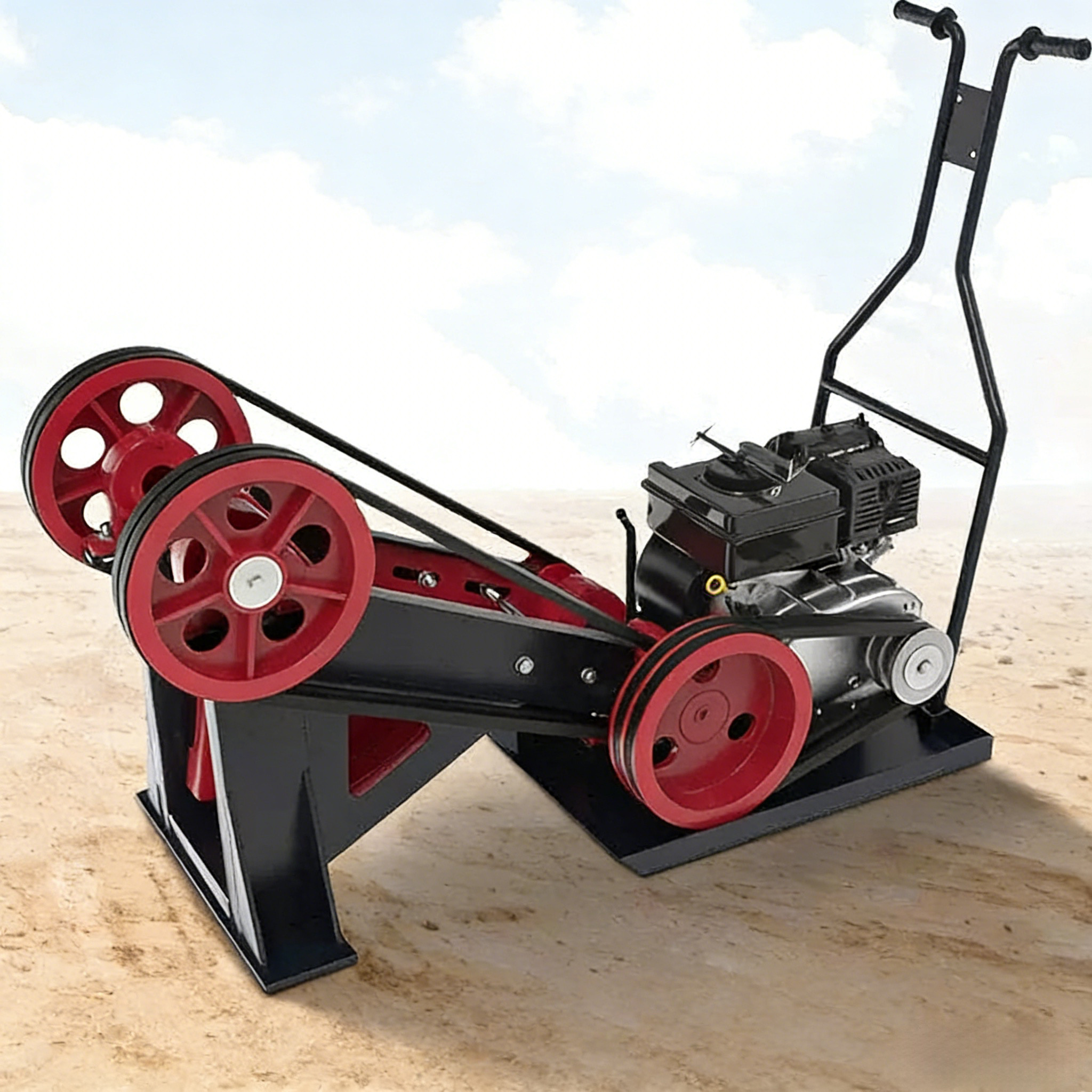
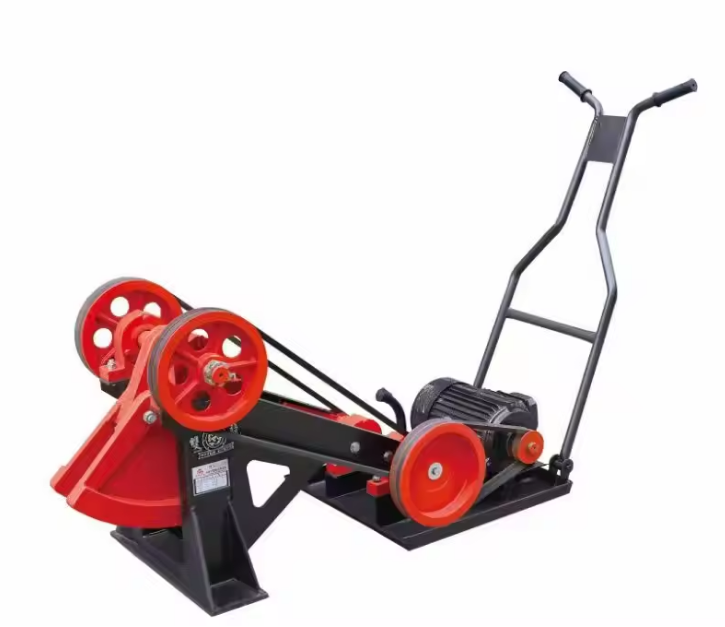
When managing a fleet of construction machinery, the Total Cost of Ownership (TCO) is the only metric that matters. Electric plate compactors have a high upfront cost due to the lithium batteries, but their maintenance cost is nearly zero. Diesel units are expensive but have a high resale value and long service life. Gasoline compactors are the "low barrier to entry" option but require constant tuning. For a rental yard, the "Forward Plate" in the 60kg to 90kg range is the bread and butter, a
Mar,2026
A petrol-powered compactor lives in a hostile environment of abrasive dust. If you don't stay on top of your air filtration, your engine won't last a month. Most professional rammers use a dual-element air filter—a foam pre-filter to catch the big grit and a paper element for the fine silica. Beyond the engine, the V-belt is the critical link. This belt transfers power from the engine clutch to the exciter pulley. If the belt is loose, it will slip and glaze, losing compaction eff
Mar,2026
The part of the vibratory tamper that takes the most abuse is the base plate. In the market, you will find two types: fabricated steel and ductile iron (nodular cast iron). Fabricated plates are made of bent and welded steel; they are cheaper but prone to cracking at the weld points under harmonic stress. Ductile iron base plates, on the other hand, are cast as a single piece. They offer superior "travel" because they are naturally heavier and smoother, and they resist the abrasive wear of cr
Mar,2026
You can have the most powerful diesel earth compactor on the market, but if your soil is too dry or too wet, you will never hit your 95% Modified Proctor density. In geotechnical engineering, every soil type has an Optimum Moisture Content (OMC). If the soil is bone dry, the particles have too much friction to slide together; if it’s saturated, the water is incompressible and pushes the particles apart (a phenomenon called "pumping"). The "hand-squeeze test" is the veteran's way to che
Mar,2026
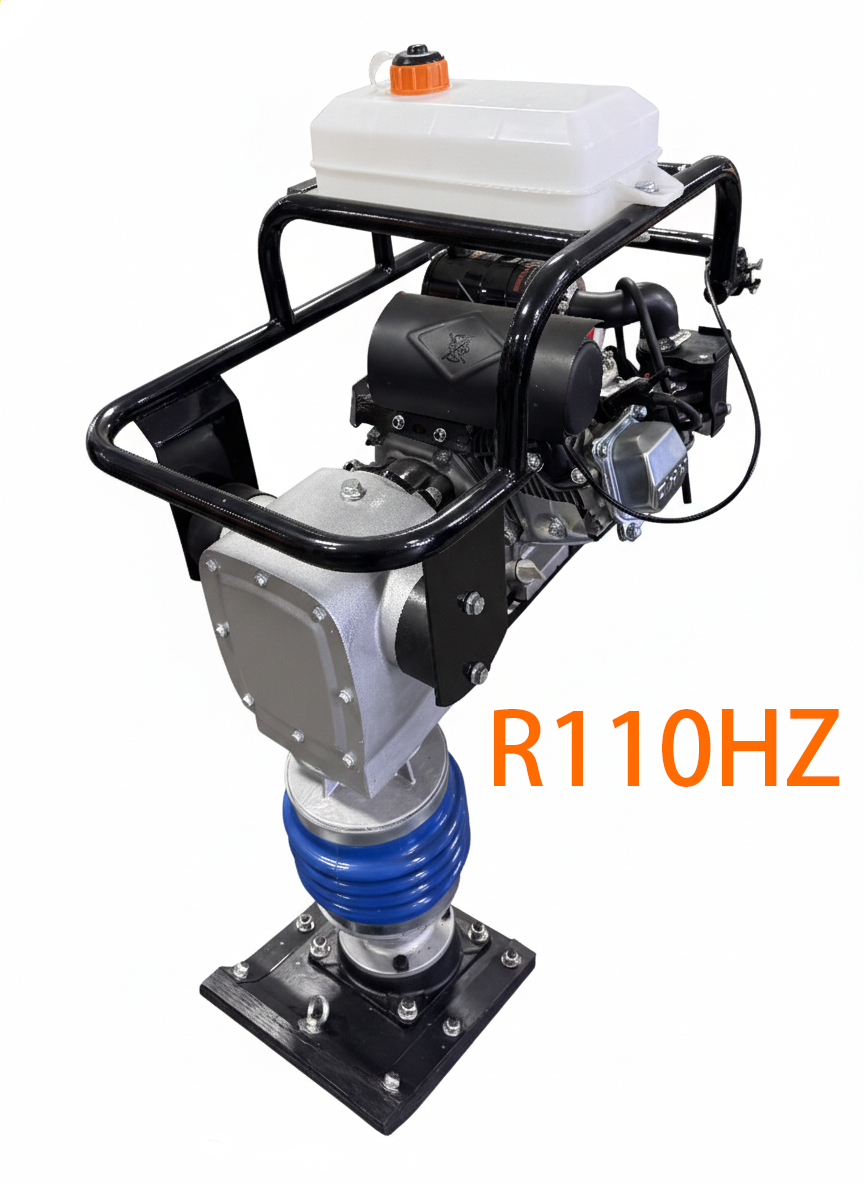
Running a jumping jack rammer or a plate compactor all day can lead to a serious medical condition known as Hand-Arm Vibration Syndrome (HAVS), or "white finger." This is why modern industrial compaction equipment is designed with sophisticated vibration isolation. The engine and handle are decoupled from the base plate using heavy-duty rubber shock mounts (elastomeric isolators). In my testing, a machine with a well-designed Vibration-Dampened Handle can reduce the vibration transmitted to t
Mar,2026
The most high-stress component in any vibratory compactor is the exciter bearing. These bearings must survive thousands of G-forces every minute while operating in a cloud of abrasive silica dust. Professional-grade machines utilize C3-clearance cylindrical roller bearings designed for high thermal expansion. Inside the exciter housing, these bearings sit in an oil bath. This oil serves two purposes: lubrication and heat dissipation. I always tell my mechanics: "The exciter oil is the lifeblo
Mar,2026
If you are backfilling a sewer lateral or a water main trench, you quickly realize that a forward-only plate compactor is a liability in tight spaces. Once you reach the end of a 450mm (approx. 18-inch) wide trench, you have to physically drag a 100kg machine backward—a recipe for back injuries. This is why the reversible vibratory plate compactor (双向平板夯) was engineered. Utilizing a dual-shaft exciter system, these machines use hydraulic controls to shift the phase of the eccentri
Mar,2026
Repairing a municipal road cut or finishing a driveway requires more than just raw power; it requires thermal management. When using a petrol plate compactor on Hot Mix Asphalt (HMA), you are dealing with a sticky, petroleum-based binder that wants to cling to your machine. This is why professional asphalt plate compactors are equipped with an integrated gravity-feed water tank. The water creates a thin film between the ductile iron base plate and the hot asphalt, preventing "pick-up" or tear
Mar,2026
In the world of earth rammer machines, the choice of "heart" dictates your operational limits. Gasoline plate compactors (汽油平板夯) are the industry standard for residential landscaping and light commercial work because they are lightweight, easy to start, and highly mobile. However, for heavy-duty civil engineering or high-depth trench compaction, the diesel plate compactor (柴油平板夯) is the king of torque. Diesel engines provide a much higher "punch" per stroke, allowing for d
Mar,2026
When you’re standing behind a vibratory plate compactor (平板夯), you’re not just moving a machine; you’re managing high-frequency kinetic energy. The effectiveness of any forward plate compactor or reversible plate compactor is determined by two main factors: Centrifugal Force and Vibrations Per Minute (VPM). Centrifugal force is the "hitting power" generated by the eccentric weights inside the exciter housing. For a standard 90kg (approx. 200 lbs) gasoline plate compactor, you’re