
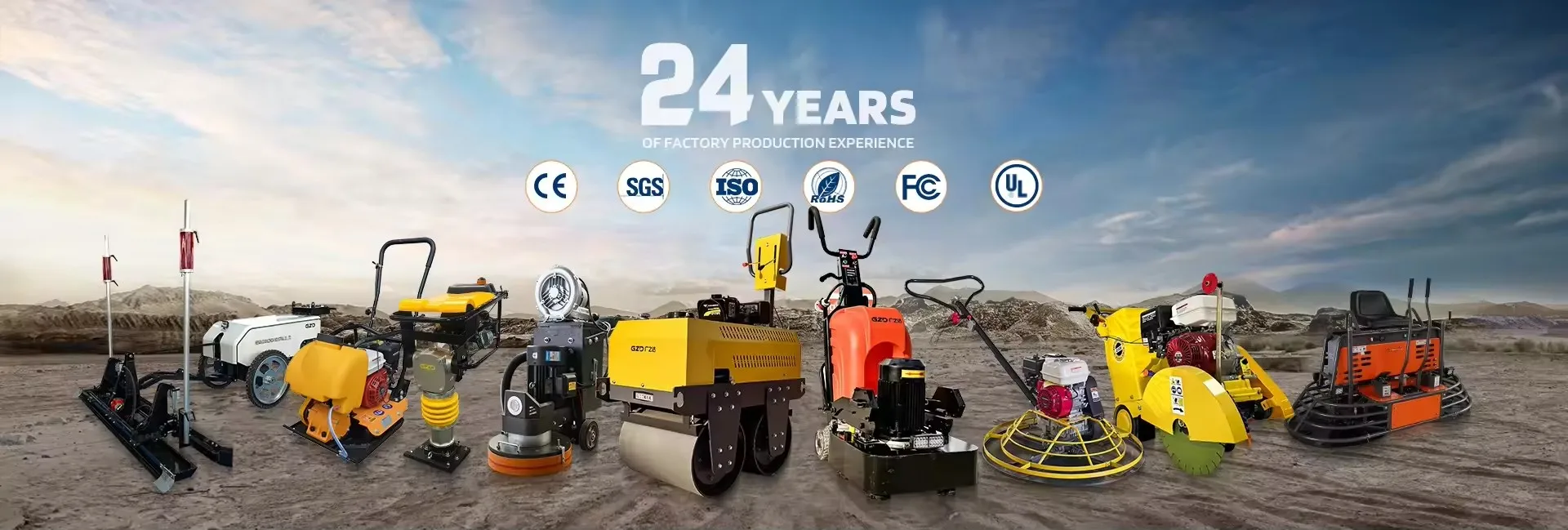
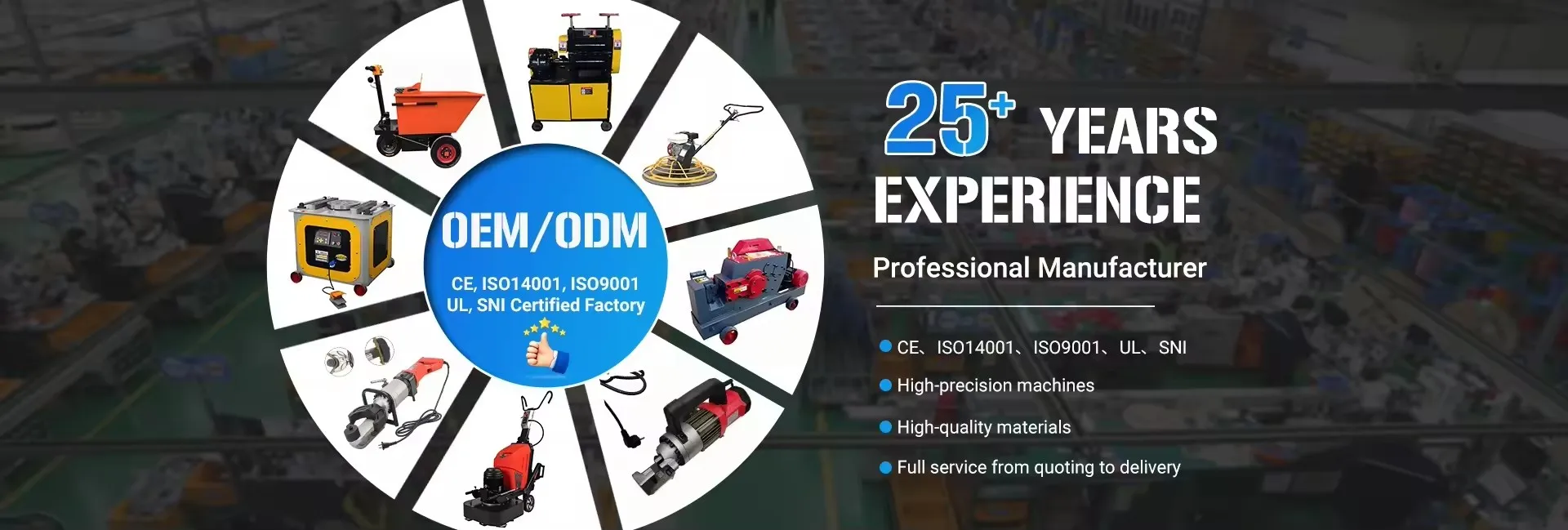
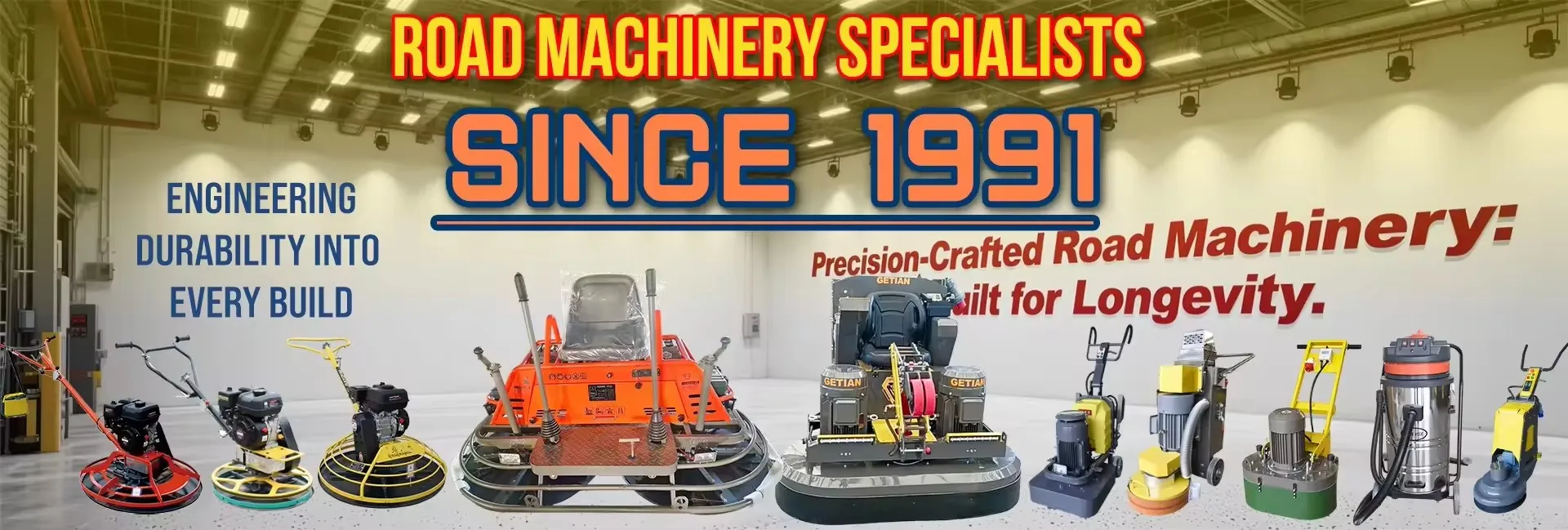
As an export-oriented construction machinery manufacturer, I am well aware of the delicate balance between standardization and localization. My design philosophy is: the core platform is unified globally, while the key modules are customized regionally. This strategy enables me to control costs while ensuring that the equipment can operate in compliance and efficiency in any country.
For the North American market, I focused on overcoming the EPA Tier 4 Final emission standard and OSHA safety regulations. I collaborated with Cummins to customize a low-emission diesel engine, integrating a three-stage purification device of DOC+DPF+SCR in the post-treatment system. In terms of safety, I designed a hands-on-starting device, an emergency stop button, and a fully enclosed guard for rotating parts that comply with OSHA 1926.302 standards. In the road bureau's tender test in Texas, my equipment was the only non-American brand that met all environmental and safety requirements simultaneously, opening the door to the entire North American market for us.
In the European market, the complexity of CE certification is beyond imagination. Besides the Machinery Directive 2006/42/EC, I also need to meet the Noise Directive 2000/14/EC and the Electromagnetic Compatibility Directive 2014/30/EU. I developed a quiet version of the cutting machine for European customers, optimizing the running noise from 105 decibels to 96 decibels through a double-layer soundproof cover and a muffler. All electrical components passed EMC tests to ensure they would not interfere with surrounding precision equipment. At the municipal engineering exhibition in Berlin, German engineers praised the low-noise performance of my equipment, and signed an intention to purchase 30 units on the spot.
For high-altitude regions, I recalibrated the engine's boost system and fuel injection parameters. In La Paz, Bolivia (at an altitude of 3,640 meters), a regular cutting machine loses 35% of its power. My high-altitude-specific model controls the power loss within 8% by increasing the boost ratio of the turbocharger and adjusting the fuel injection timing. I also strengthened the cooling system because the heat dissipation efficiency drops significantly in thin air.
In the hot and humid Southeast Asia, I paid special attention to anti-corrosion and heat dissipation design. All metal components underwent seven layers of anti-corrosion treatment, and the electrical interfaces reached IP68 protection level. I increased the radiator area and improved the air duct design. During the humid summer in Bangkok, my equipment maintained a safe hydraulic oil temperature for 12 consecutive hours throughout the test.
Global compatibility of power supply systems is another challenge I solved. Through modular design, the same equipment can be quickly adapted to different power standards in different countries: 60Hz/120V in North America, 50Hz/230V in Europe, and 50Hz/100V in Japan. My intelligent power module can automatically identify the input voltage and frequency to ensure the motor always operates in the optimal condition.
True globalization is not simply selling products abroad; it is making products applicable in every market as if they were local products. To achieve this, I established a global operating condition database, including construction specifications, environmental data, and user habits from 87 countries. Before entering a new market, I would first send engineers on-site for three months of research to ensure that my design truly meets local needs.


