
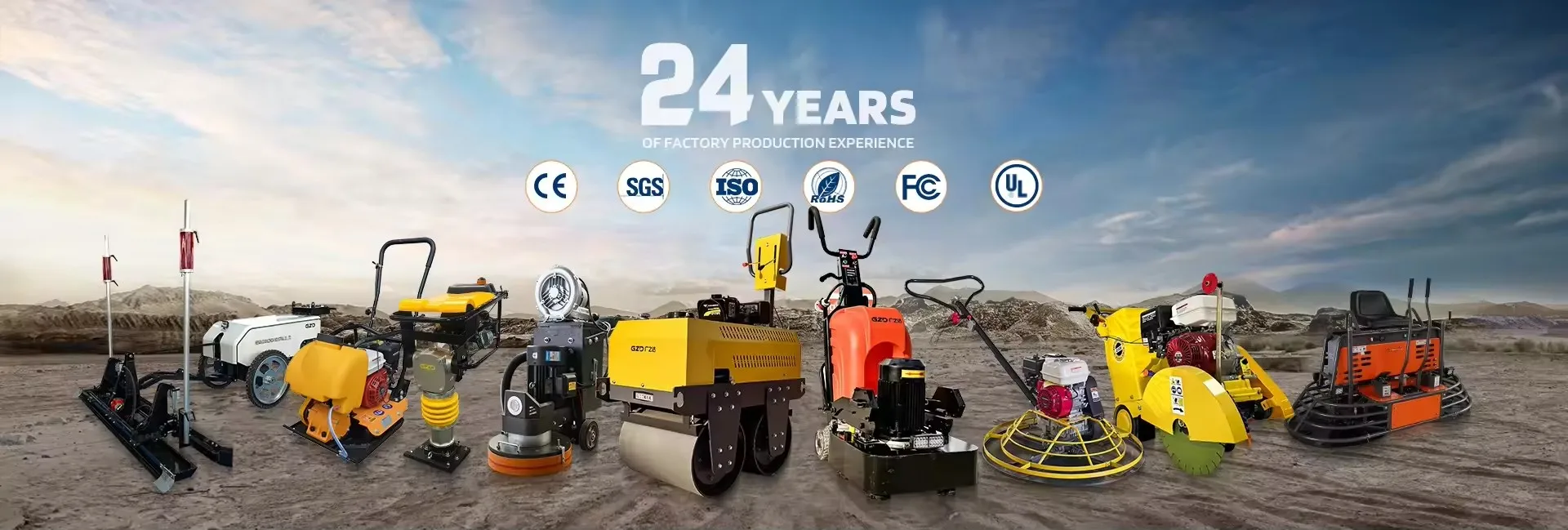
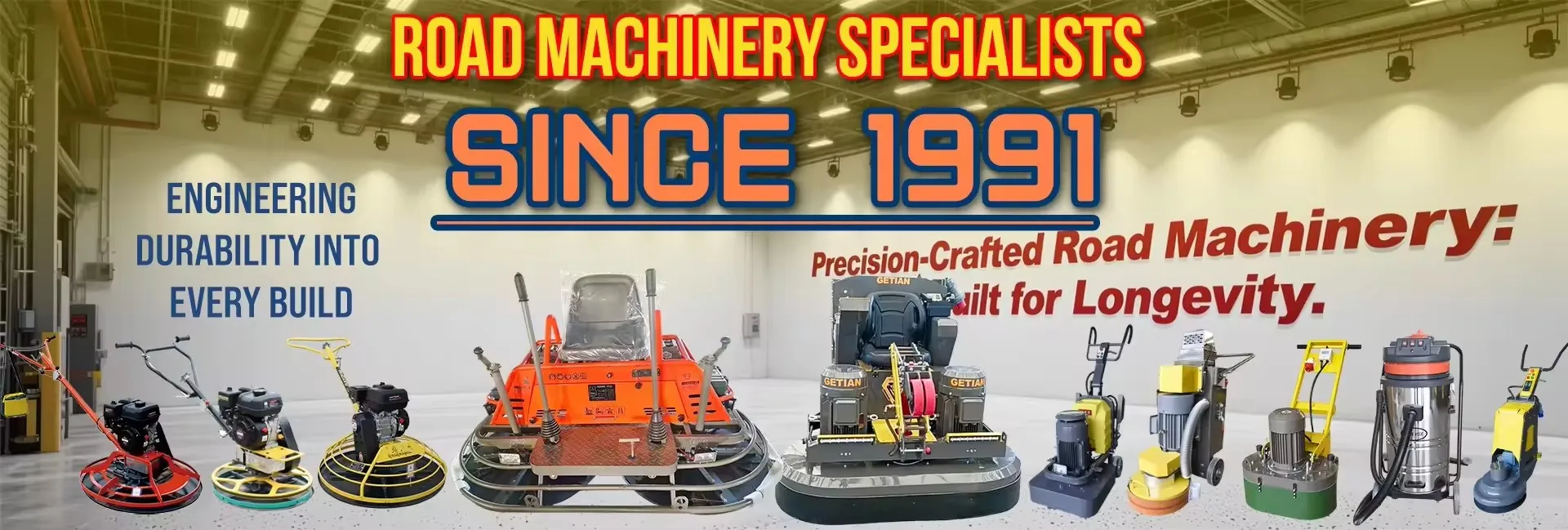
I constantly have to train new operators who think that the heavier the roller, the better the compaction. While static weight is important, modern walk-behind vibratory rollers rely on the physics of dynamic centrifugal force to achieve passing geotechnical tests. If I roll a 600 kg [approx. 1,320 lbs] double-drum unit across a lift of granular subbase without the vibration turned on, I am only applying 600 kg of static pressure. That might barely consolidate the top 25 mm [approx. 1 inch] of the material. The magic happens when you engage the exciter shaft.
Inside the steel drums is a precisely machined shaft carrying an eccentric (off-center) weight. When the engine drives this shaft via a hydraulic motor or a belt, the off-center weight spins at incredible speeds—usually around 3,000 to 4,000 Vibrations Per Minute (VPM). This rapid spinning throws the heavy steel drum violently up and down. This action creates "dynamic force." When I hit the vibration switch, that 600 kg machine is suddenly delivering an impact force of over 2,000 kg [approx. 4,400 lbs] to the ground with every single strike.
This high-frequency shockwave travels deep into the soil matrix. It temporarily reduces the internal friction between the aggregate particles, allowing the heavy rock to sink and lock together while forcing the trapped air to the surface. This is how a relatively lightweight pedestrian roller can achieve 95% Proctor density on a 150 mm [approx. 6-inch] lift of crushed stone. However, as an operator, you must understand the material. If you apply that much dynamic force to a thin layer of hot mix asphalt over a rigid concrete base, you will shatter the aggregate and completely destroy the structural integrity of the asphalt. Mastering the machine means knowing exactly when to use the dynamic force and when to rely solely on the static weight to seal the finish.


